
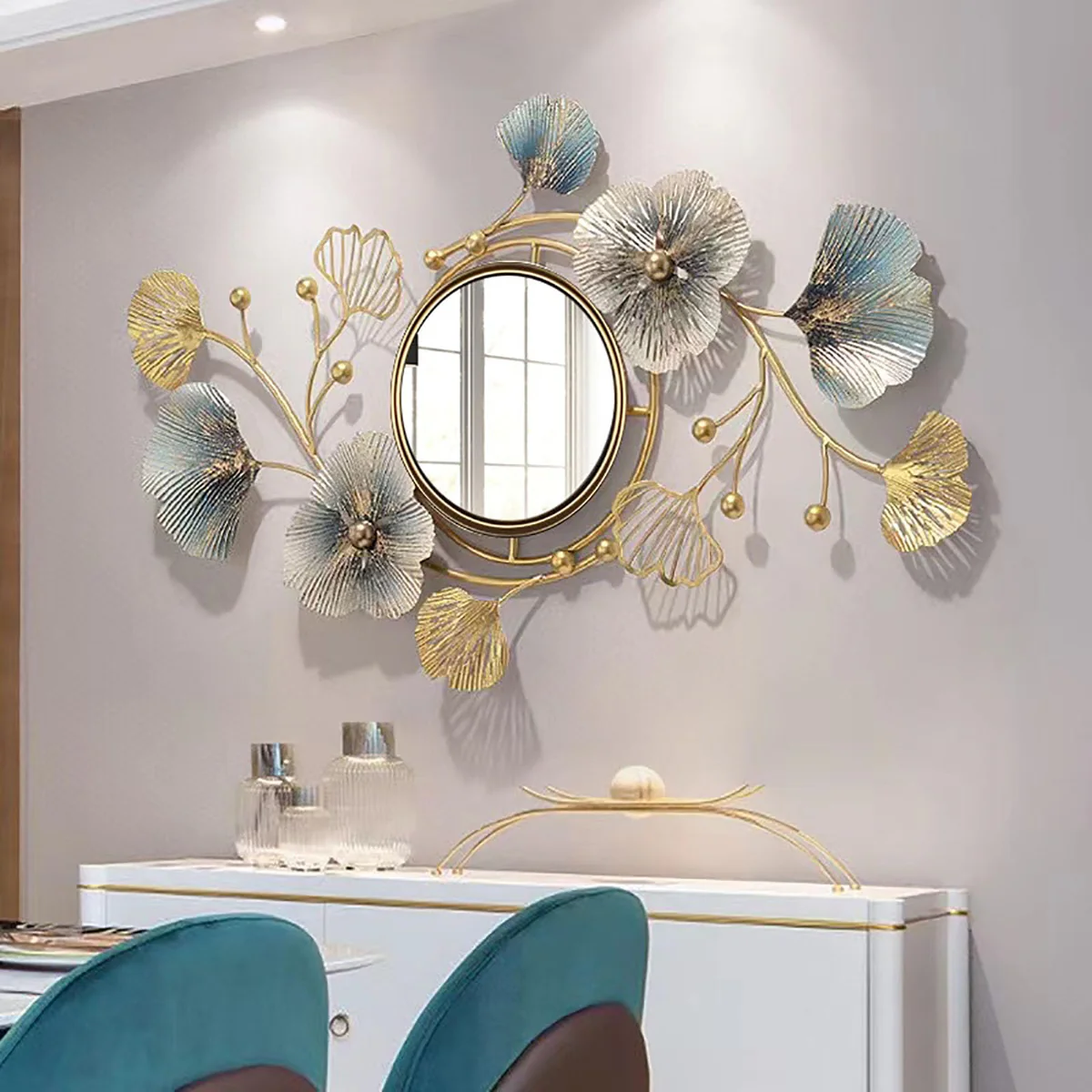
Your home should be your sanctuary—a place to decompress and recharge after a demanding day. No room embodies this need for relaxation more than the living room. It’s the central hub for gathering, resting, and unwinding.
If you are starting a redesign or looking to simplify your space, creating a serene living room mood board and color palette is the essential first step. This article will guide you through the process of selecting a cohesive color story and curated texture mix, designed specifically to evoke tranquility, peace, and understated elegance.
The Power of the Mood Board in Design
Before you buy a single cushion or even look at a paint deck, you need to establish the “feeling” of the room. This is where the mood board comes in.
A mood board is not just a collection of random “likes.” It is a visual strategy. It acts as a compass for every future design decision. In the context of a serene space, the goal is clarity and cohesiveness. A successful serene mood board helps you identify exactly which textures, shapes, and undertones contribute to a feeling of calm, allowing you to filter out anything that might cause visual clutter or noise.
Here is a guide to creating a moody sanctuary in your home.
Phase 1: The Essential Serene Color Palette
To achieve a calming environment, we must turn to color theory. Serenity is found in colors that are desaturated and soft. Bright, vibrant tones generate energy, while muted tones invite rest.
For this mood board, we will lean into a palette inspired by the quiet tones of a sandy shoreline at dawn or the soft fog rising in a forest—a mix of warm, natural neutrals.
The Core Palette: “Earth and Air”
-
Primary Wall Color: Soft Linen (Cream with Grey Undertone).
This is the foundation of the room. Avoid stark, cool whites, which can feel clinical. Instead, opt for a warm, creamy off-white that feels enveloped in light. The grey undertone keeps it sophisticated and prevents it from reading too yellow.
-
Secondary Tone: Driftwood Beige (Taupe).
Used for larger furniture pieces like a sofa. This tone adds depth and anchors the room. Beige is often misunderstood, but a taupe with a hint of warmth is the defining feature of a Scandinavian-inspired serene palette.
-
Third Layer: Misty Sage (Desaturated Green).
This is our connection to the biophilic world. Green is inherently calming to the human eye. Introduce this through armchairs, soft throws, or a large, potted floor plant.
-
Accent Shade: Matte Gunmetal (Soft Charcoal).
A truly serene room cannot be all light. It requires soft contrast. This matte, dark grey (almost black) should be used sparingly—perhaps in a sleek coffee table leg, a minimalist light fixture, or a simple picture frame. It adds grounding and maturity.
Phase 2: Building the Textural Narrative
The biggest pitfall in neutral-centric design is creating a space that feels flat, cold, or boring. The antidote is texture. In a serene space, textures must be soft, inviting, and organic. Where color is quiet, texture must be loud.
1. The Anchoring Elements
The mood board should feature physical swatches (or digital representations) of your foundational textures:
-
Reclaimed Oak: The floor or coffee table. Specify a light, slightly greyed oak with visible grain. The organic wood grain introduces warmth and the passage of time.
-
Woven Sisal or Jute: A large area rug. The tactile, rough-hewn texture of a natural fiber rug instantly provides a connection to the earth and contrasts beautifully with polished floors.
2. The Comfort Layers
This is the touchable part of the room:
-
Heavy-Gage Linen: Sofa upholstery. Linen is the quintessence of relaxed luxury. It breathes, it wrinkles gracefully, and it feels inviting.
-
Chunky Bouclé or Wool: Throw blankets and accent pillows. In 2026, bouclé (a heavy, nubbly, looped yarn) continues to be a top choice for introducing soft, sculptural interest. It begs to be touched.
3. The Natural Materials
The mood board must include representations of pure, unadorned materials.
-
Matte Ceramic: Vases and vessels. Steer clear of high-gloss finishes, which feel too artificial. Soft, chalky, handcrafted ceramic adds a human element.
-
Unpolished Stone: A small element, such as a travertine or limestone side table. The cool, solid weight of stone enhances the feeling of permanence and stability.
Phase 3: The Supporting Aesthetic Elements
Once the color and texture foundations are laid, you can layer on the physical objects that support the mood.
Lighting is the Catalyst of Serenity
A serene room is a layered room. Your mood board must integrate lighting imagery that goes beyond just aesthetics:
-
Ambient (The Overall Glow): Look for soft, diffused lighting. A large, drum-shade pendant light (perhaps in fabric or rice paper) overhead.
-
Task (The Warm Pool): Swatches of floor lamps that cast a soft, downwards pool of light, perfect for a cozy reading nook.
-
Accent (The Hidden Light): Subtly integrated LED strips behind floating shelves or under a console table to create an “ethereal” glow.
Art and Decor: “Negative Space is Your Friend”
A serene room is a edited room. This means the objects you select must have meaning and space to breathe. Your mood board images should include:
-
Abstract Art: Avoid busy patterns or detailed figures. Look for large-scale pieces with smooth gradients of color (your Misty Sage or Soft Linen) and perhaps a single line of matte gold or gunmetal.
-
Large-Scale Greenery: Do not clutter surfaces with small plants. Instead, feature an image of a single, statement-making specimen, like a Fiddle Leaf Fig or a large Monstera in a substantial, textured pot.
How to Use Your Mood Board
Once your mood board is assembled (whether physically pinned to a corkboard or digitally in Pinterest or Canva), you have a filter.
When you are tempted to buy a bright, geometric throw pillow, hold it up to the mood board. Does it fit? No. The board reminds you that your goal is calm, not energy. If you are struggling with a paint choice, your board tells you to choose the warm, grey-linen tone over the cool, clinical white.
Conclusion: Trusting the Process
Curating a serene living room is not about achieving perfection, but about achieving a feeling. It is a commitment to quietude, restraint, and the celebration of raw materials. By spending the time to create a dedicated mood board and a desaturated, texture-rich color palette, you have already completed the hardest part of the design process. You have defined your peace. Now, you simply need to build it.