
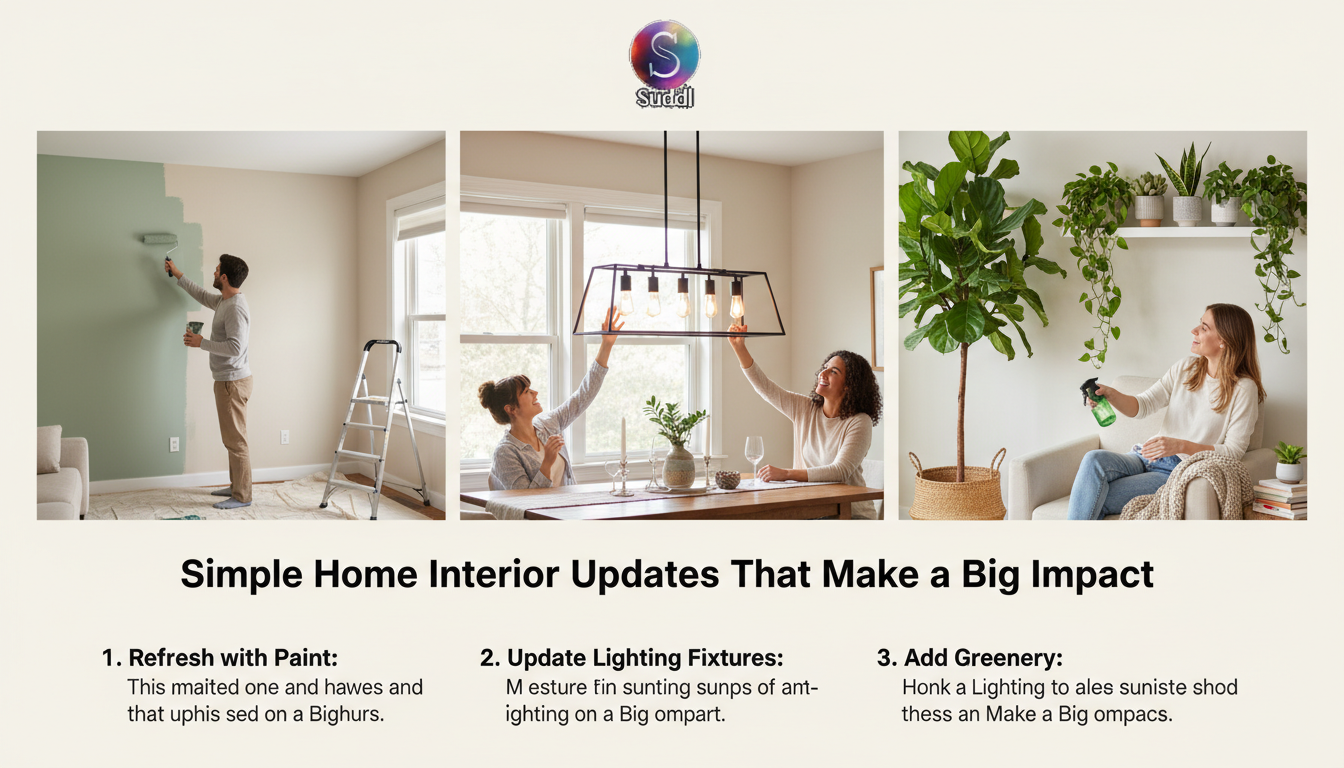
In today’s world, sustainability has become more than just a trend — it’s a way of life, especially in home design. Sustainable home interior design combines beauty, comfort, and environmental responsibility. It’s about creating spaces that feel good, look great, and minimize harm to the planet. From selecting eco-friendly materials to maximizing natural light and reducing waste, sustainable interiors offer both aesthetic appeal and long-term value. Not only do these designs help conserve resources, but they also promote healthier living environments for you and your family. Whether you’re redesigning your entire home or making thoughtful updates room by room, embracing sustainability can lead to spaces that are stylish, mindful, and future-proof. For fresh ideas and accessible tips on sustainable interiors, explore https://suddl.com/ — a resource packed with inspiration to help you design with purpose.
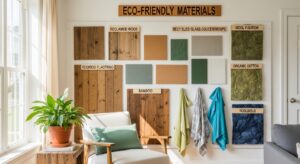
A foundational principle of sustainable interior design is choosing eco-friendly materials that reduce environmental impact without compromising on style or durability. Traditional building materials like conventional paint, synthetic carpets, and non-renewable woods often contain chemicals and toxins that negatively affect indoor air quality. Instead, look for low-VOC (volatile organic compound) paints, natural fiber rugs, and responsibly sourced woods such as bamboo, cork, or reclaimed timber. These alternatives not only reduce emissions but also create healthier indoor environments. Reclaimed wood adds character and history to your space, while materials like cork offer natural insulation and a warm, textured aesthetic. Sustainable textiles — like organic cotton, hemp, and linen — bring softness and comfort without harsh chemicals. Incorporating materials made from recycled content, such as glass countertops or recycled metal fixtures, further reduces the demand for virgin resources. By being intentional about what you bring into your home, you can create interiors that are both beautiful and aligned with your values. Visit https://suddl.com/ for more sustainable material ideas and creative ways to mix eco-friendly elements into every room.
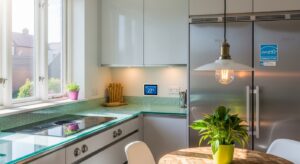
Another key aspect of sustainable design is energy-efficient lighting and appliances, which not only minimize environmental impact but also reduce long-term utility costs. Natural light should be maximized wherever possible — large windows, skylights, and open floor plans allow sunlight to bathe interior spaces during the day, reducing the need for artificial lighting. When artificial light is necessary, choose LED bulbs and energy-efficient fixtures that consume less power and last longer than traditional bulbs. Thoughtful task lighting — like adjustable desk lamps, under-cabinet LEDs, or recessed lighting with dimmer switches — helps you use light selectively and efficiently, improving functionality without waste. In kitchens and laundry areas, selecting energy-efficient appliances with high ENERGY STAR® ratings lowers electricity consumption while maintaining performance. These appliances run cooler and quieter, using advanced technology to operate more sustainably over time. Incorporate smart home controls to automate lighting, climate, and appliance use based on activity and schedule — further reducing unnecessary energy use. Sustainable lighting and appliances not only support environmental goals but also enhance comfort and lower household expenses year after year. For ideas on how to weave energy efficiency into your interior updates, check out https://suddl.com/ for creative, practical guidance.
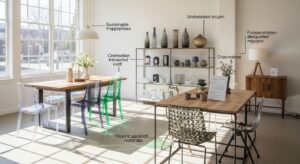
Sustainable interior design also emphasizes reducing waste and promoting reuse. Before discarding old furniture or décor, consider how these items can be refurbished, repurposed, or upcycled. A coat of paint, new upholstery, or creative hardware swaps can revive a beloved piece and save valuable resources. Vintage and second-hand furniture not only adds unique character to your home but also reduces the environmental burden of producing new goods. Swap or donate items with friends, shop local thrift stores, or explore online marketplaces to find treasures with history and personality. Thoughtful purchasing habits extend beyond furniture: choose products with minimal or recyclable packaging, prioritize quality over quantity, and avoid single-use or disposable décor. Even everyday habits — like using cloth napkins instead of paper, keeping houseplants to improve indoor air quality, and maintaining a small compost bin — contribute to a greener home. Reducing waste isn’t just practical; it’s a mindset that encourages conscious living and intentional design. For insights on blending sustainability with style in every décor choice, browse https://suddl.com/ and discover ideas that make eco-friendly design both beautiful and attainable.
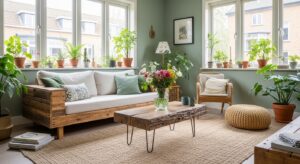
Finally, sustainable interior design is about creating spaces that promote well-being, longevity, and adaptability. Instead of chasing fleeting trends, choose timeless pieces and versatile layouts that grow with your lifestyle. Design with flexibility in mind — multi-functional furniture, modular shelving, and adaptable rooms ensure your space can evolve without unnecessary renovation or waste. Incorporate natural elements like indoor plants, which purify air and bring life into rooms. Houseplants not only add visual interest but also enhance mood, reduce stress, and improve indoor air quality by filtering toxins. Consider thermal and acoustic comfort as well: natural fiber rugs, curtains, and insulation improve indoor comfort while supporting sustainability goals. Design choices that prioritize long-term comfort and durability help reduce turnover and the environmental cost of frequent replacements. Sustainable interiors are intentional, resilient, and nourishing — spaces that feel good to live in and stand the test of time. By designing with sustainability and longevity in mind, your home becomes a sanctuary that reflects your values and supports healthier living. For more sustainable design inspiration and practical tips tailored to every space, visit https://suddl.com/ and explore ideas that bring eco-conscious interiors to life.
Sustainable home interior design is not merely a trend — it’s a meaningful way to live more thoughtfully and connect with the spaces we occupy. By choosing eco-friendly materials, prioritizing energy efficiency, reducing waste, and designing for longevity, you can create interiors that look stunning while protecting the planet. These design principles don’t require sacrifice; instead, they encourage better choices that benefit both you and the environment. With intention and creativity, sustainable design elevates everyday living and turns your home into a space that’s as responsible as it is beautiful. For a deeper dive into sustainable décor ideas and practical inspiration, explore https://suddl.com/ — your source for interiors that are stylish, mindful, and future-ready.