
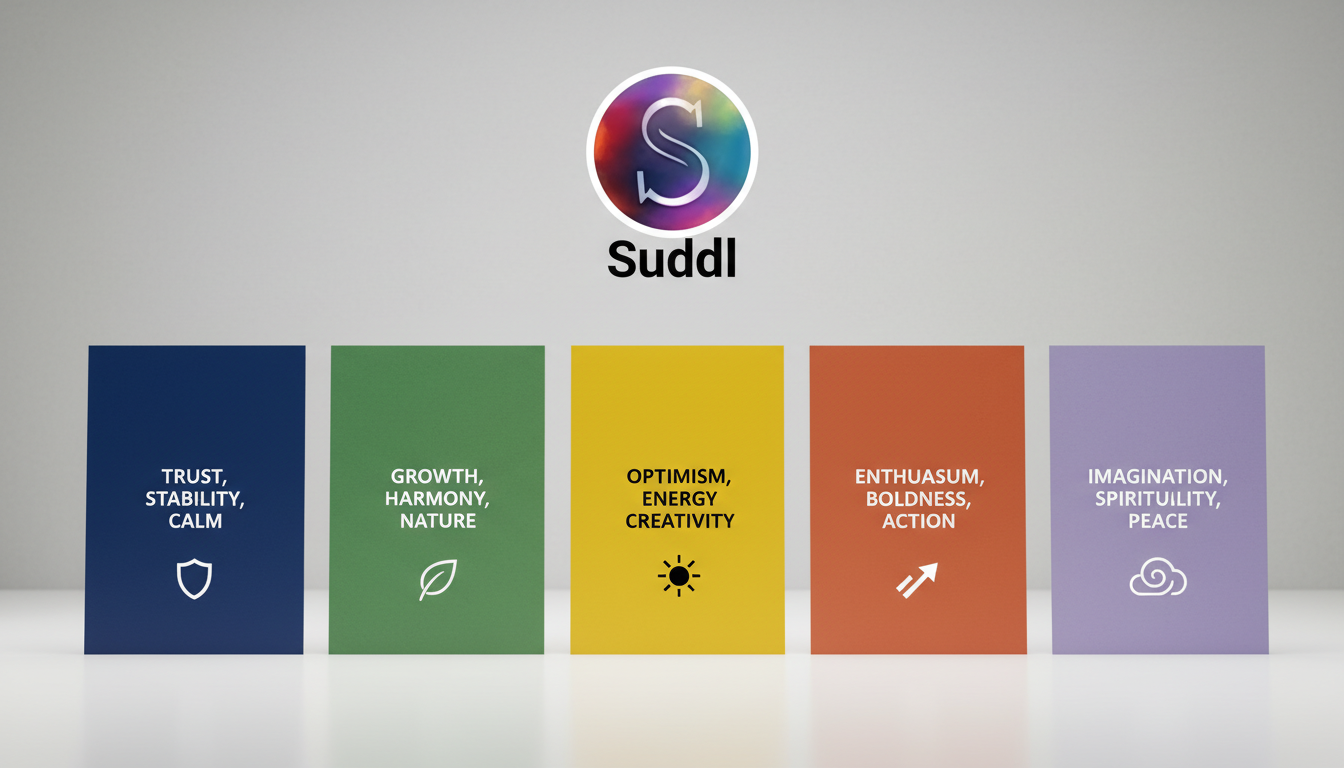
When planning your living room interiors, the choice of color combinations plays a pivotal role in setting the mood, enhancing visual appeal, and defining the personality of your home space. Before diving into specific pairings, it’s essential to understand color psychology — how different hues influence emotions and ambience. Neutral base tones like off‑white, beige, light gray, or warm taupe are timeless because they offer a calm backdrop, allowing other colors in the room — like furniture, art, or rugs — to shine. Light neutrals also make smaller rooms feel more open, while deeper neutrals like charcoal add sophistication and depth.
Start by deciding how you want your living room to feel. If you’re after relaxation and serenity, cool tones like soft blues or greens mesh beautifully with neutral bases. For a cozy, inviting atmosphere, warm palettes like creamy beige with terracotta or mustard create a sense of warmth. If you lean toward modern minimalism, consider pairing bright white with sleek black accents — it’s bold without being overwhelming. Whatever your preference, your base tone will anchor the entire design scheme, so choose one that reflects both your personal style and the existing architecture of your space.
For more inspiration on thoughtfully curated interiors and trending palette ideas, check out https://suddl.com/ — where color harmony meets smart living solutions.
2️⃣ Combinations That Create Mood: Calm, Cozy, & Vibrant

Every living room has a purpose — from an oasis of calm after a long day to a vibrant space for entertaining friends. Choosing the right color combinations can enhance the room’s primary function.
For a calm and soothing ambience, soft pastels or muted hues paired with creamy neutrals work wonders. A combination like sage green with warm beige evokes nature‑inspired serenity, while sky blue with light gray fosters a peaceful, airy feel. These combinations are particularly effective in living rooms with large windows or plenty of natural light, as they allow the light to reflect gently across surfaces.
If you want your living room to feel cozy and intimate, consider integrating earthy tones. Think burnt orange with chocolate brown, or mustard yellow with deep taupe. These rich palettes make seating areas feel inviting and perfect for relaxed conversations. Combining bold accent walls with textured fabrics — such as velvet cushions or woven throws — amplifies this warmth.
For those who love energy and vibrancy, contrast is key. Pairing teal with coral, or navy blue with mustard yellow, adds life and personality to the space. Use these striking combinations selectively — for feature walls, artwork, or accent pieces — so they enhance rather than overwhelm the living room.
3️⃣ Sophisticated Modern Looks: Monochromes, Soft Contrasts & Metallics
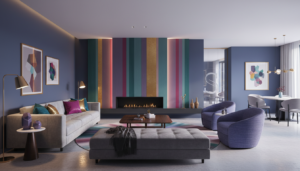
Modern interior design often leans toward refined palettes that feel stylish yet timeless. If you appreciate clean lines and contemporary aesthetics, there are several color combination strategies that help achieve a modern living room look.
A monochromatic scheme — using variations of a single color — is elegant and understated. For example, different shades of gray ranging from dove to charcoal, layered with textured fabrics, create depth without visual clutter. Similarly, a monochromatic palette of creamy whites with subtle variations in undertone can feel both luxe and serene. The trick here is to incorporate materials with varied textures — like a matte wall finish paired with glossy ceramics or soft linens — to keep the space from feeling flat.
Soft contrasts — like navy blue with blush pink, or forest green with light taupe — also yield striking outcomes without the jarring effect of high‑contrast combos. These pairings strike a balance between boldness and elegance, especially when one color dominates while the other acts as a complement through accessories or décor.
For an elevated, modern twist, think about adding metallic accents. Shades like brass with deep emerald, or brushed gold with charcoal gray, bring a refined shimmer that catches the eye. Incorporate metallics through lighting fixtures, coffee table legs, frames, or decorative objects to subtly elevate your living room aesthetic.
For fresh ideas and curated color palettes that match modern design trends, visit https://suddl.com/ — your hub for smart interior inspiration.
4️⃣ Practical Tips for Applying Color Combinations Successfully
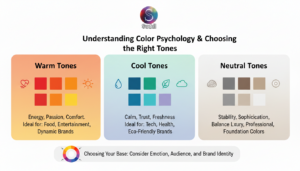
Choosing beautiful color combinations is just the first step — applying them thoughtfully ensures your living room feels cohesive, balanced, and stylish.
Start with a test. Before committing to a full paint job, sample colors on swatches or small sections of your wall. Observe how natural and artificial light affect these colors at different times of day. A hue might appear warm in the morning and cool by evening, influencing the ambience more than expected.
Balance bold colors with neutrals. If you choose an intense shade like deep teal or ruby red for an accent wall, offset it with neutral furniture or rugs so the room doesn’t feel too overpowering. Similarly, lighter accent colors like blush or sage are better grounded with deeper hues in décor or finishes.
Use color in layers. Start with the walls (your largest color field), then add secondary colors through upholstery, curtains, or area rugs, and finish with accent hues in accessories such as cushions, vases, or art pieces. Layering ensures the room feels thoughtfully composed instead of visually chaotic.
Consider the 60‑30‑10 rule. Designers often suggest this formula: 60% dominant color (walls or major furniture), 30% secondary color (upholstery or accent walls), and 10% accent color (decor and accessories). This proportion keeps spaces harmonious, regardless of whether your palette is bold or subdued.
With smart planning and the right combinations, your living room can become a space that’s not only beautiful but also uniquely yours. For curated design guides, trending palettes, and expert tips, explore https://suddl.com/ — where great design begins.