
Natural Glory: Celebrating Black Women’s Hair
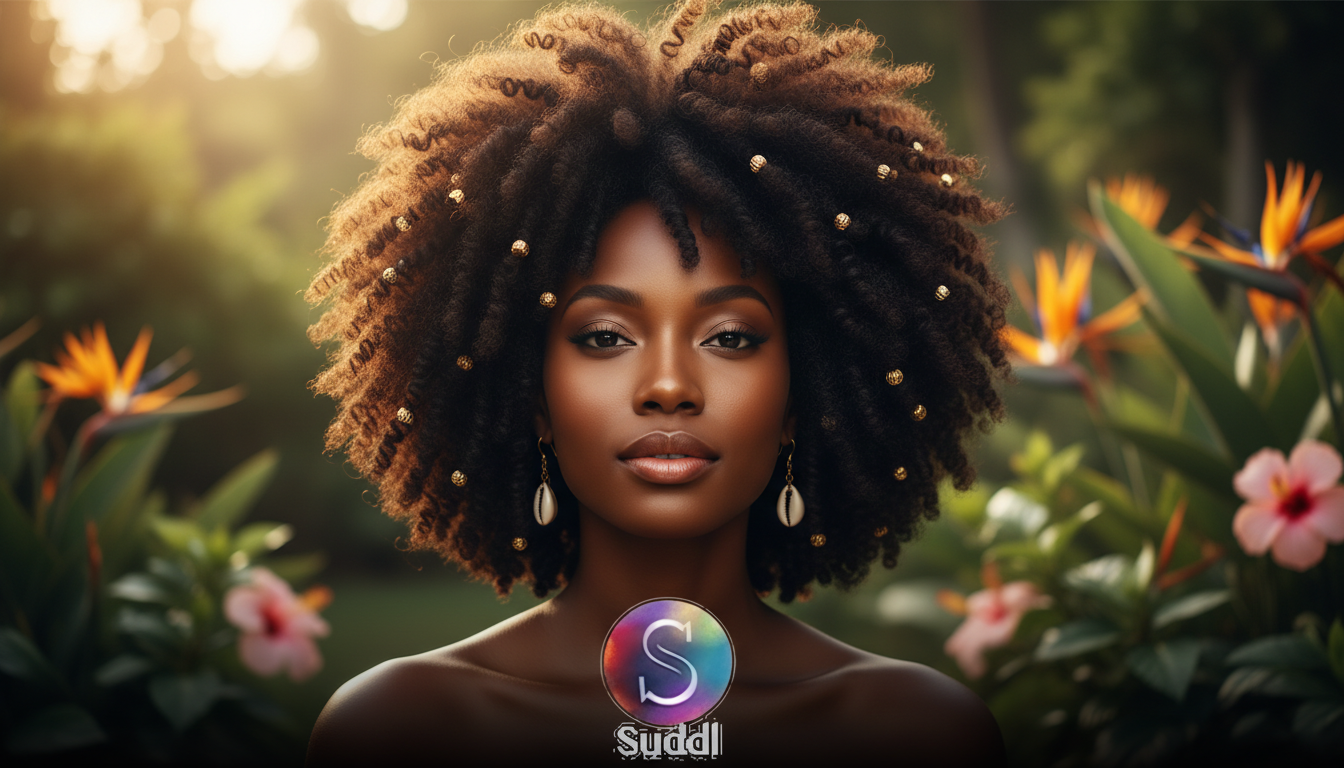
Ultimately, natural glory is about honoring roots—both literal and cultural. It’s about recognizing that beauty flourishes in authenticity and that diversity enriches the world of style. By celebrating Black women’s hair in all its forms, we uplift generations past, present, and future. For continued inspiration, hairstyle ideas, and empowering content that honors natural beauty, explore https://suddl.com/ and join the celebration of confidence, culture, and timeless elegance.
The Beauty and History of Natural Hair
Natural hair is more than a style choice—it is a celebration of identity, culture, resilience, and beauty. For Black women, hair has long been a powerful form of self-expression deeply rooted in history. Across African civilizations, hairstyles once represented tribe, status, age, and even spirituality. Intricate braids, twists, and sculpted shapes were not only artistic but meaningful. Despite centuries of cultural disruption and societal pressure to conform to Eurocentric beauty standards, natural Black hair has remained a symbol of strength and pride. Today, embracing natural textures—coils, curls, kinks, and waves—is an empowering movement that honors heritage while redefining beauty on modern terms.
The resurgence of the natural hair movement has encouraged Black women worldwide to celebrate their authentic textures. More than just a trend, it represents freedom from damaging chemical treatments and unrealistic expectations. Wearing natural hair boldly challenges outdated norms and highlights the versatility that makes Black hair so unique. From voluminous afros to carefully defined curls, each style tells a story of individuality and confidence. This growing appreciation for natural beauty continues to inspire conversations about representation, acceptance, and self-love. For more insights on embracing authentic beauty and personal style, explore inspiring content at https://suddl.com/.
Versatility and Styling Freedom
One of the most remarkable aspects of natural Black hair is its versatility. Few hair types can transform as dramatically while maintaining their health and integrity. Natural hair can be shaped into protective styles like box braids, twists, cornrows, and bantu knots, or worn freely in wash-and-go curls and sculpted afros. Each look offers a different expression of personality—elegant, playful, bold, or sophisticated. Protective styles, in particular, not only serve as stunning fashion statements but also help retain moisture and promote hair growth by minimizing daily manipulation.
Afros stand as iconic symbols of pride and empowerment. Their rounded silhouette celebrates volume and texture in its most authentic form. Twist-outs and braid-outs create defined curl patterns full of movement and shine. Locs represent commitment and cultural heritage, evolving beautifully over time. Meanwhile, sleek puff styles and high buns offer practical yet chic options for everyday wear. The adaptability of natural hair ensures that Black women can shift effortlessly between professional settings, casual gatherings, and formal events without compromising authenticity.
Color experimentation further enhances this versatility. Rich auburn, honey blonde highlights, deep burgundy, or even bold jewel tones can elevate natural textures while maintaining their vibrancy. The key lies in proper care and moisture retention to protect the hair’s integrity. Whether choosing low-maintenance protective styles or celebrating free-flowing curls, natural hair provides limitless possibilities for creative expression. Discover more hairstyle ideas and inspiration tailored to diverse textures at https://suddl.com/.
Care, Confidence, and Self-Love

Maintaining natural hair requires understanding its unique needs. Because tightly coiled textures can be more prone to dryness, hydration is essential. A consistent routine involving sulfate-free shampoos, deep conditioning treatments, leave-in conditioners, and natural oils helps maintain softness and elasticity. Protective nighttime care—such as satin or silk scarves and pillowcases—reduces breakage and preserves styles. When properly nurtured, natural hair thrives with strength and brilliance.
Beyond maintenance, the journey to embracing natural hair often transforms confidence. For many Black women, transitioning from chemically straightened hair to natural textures can be emotional. It may involve cutting off processed ends and learning to appreciate curls in their truest form. This transition period becomes a powerful lesson in patience and self-acceptance. Watching natural curls flourish fosters pride and a renewed sense of identity.
Confidence grows when representation increases. Social media platforms, beauty campaigns, and fashion runways are now showcasing diverse natural textures more than ever before. Seeing successful, stylish women embracing their coils reinforces the message that natural hair is professional, glamorous, and worthy of admiration. The shift toward inclusive beauty standards empowers younger generations to love their hair from an early age, breaking cycles of insecurity.
Self-love is at the heart of the natural hair celebration. When Black women choose to wear their hair naturally, they affirm their beauty without alteration. This affirmation extends beyond appearance—it influences posture, voice, and overall presence. Embracing natural glory becomes a declaration of authenticity and resilience. For more empowering beauty stories and guidance, visit https://suddl.com/ to explore content that celebrates individuality.
A Movement That Continues to Inspire
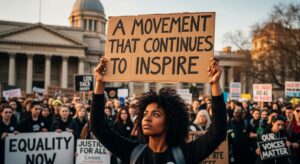
The celebration of Black women’s natural hair is more than a beauty trend—it is an evolving cultural movement. It challenges narrow definitions of beauty while encouraging broader conversations about identity and equality. Schools and workplaces are increasingly recognizing the importance of protecting natural hairstyles, reinforcing the idea that coils, locs, braids, and twists are professional and respectable. Legislative efforts in various regions further affirm the right to wear natural hair without discrimination, marking significant progress toward inclusivity.
Fashion and entertainment industries also play a crucial role in normalizing natural textures. From magazine covers to film screens, representation has expanded to showcase diverse curl patterns and protective styles. Influencers, hairstylists, and everyday women continue to share tutorials, product recommendations, and personal journeys that inspire others to embrace their authentic selves. This sense of community fosters connection and shared empowerment.
Looking ahead, the natural hair movement continues to evolve with innovation in products and styling techniques designed specifically for textured hair. Brands are investing in research to better serve the needs of curly and coily textures, acknowledging that beauty is not one-size-fits-all. As knowledge and accessibility grow, more women feel confident exploring and celebrating their natural hair.