
Closet Organization Ideas That Actually Make Getting Dressed Easier
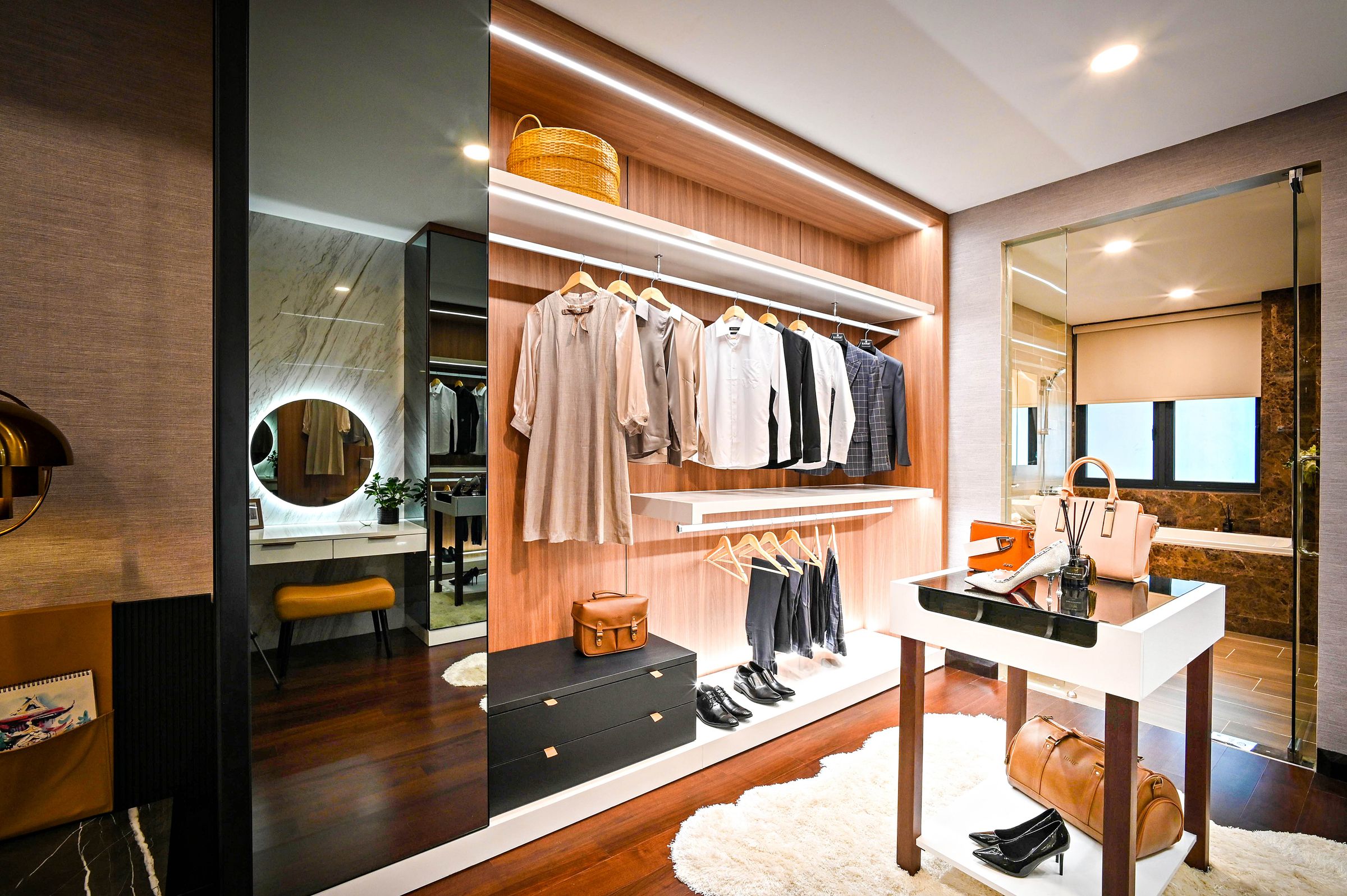
A closet rarely stays organized because of one big renovation. It stays organized because of a handful of small systems working together, a rod at the right height, a drawer that actually holds what you reach for daily, a shelf that does not collapse into a pile the first week. Most closets that look chaotic are not short on space, they are short on structure.
This guide covers seven real ways to organize a closet so it actually stays that way, from the hanging setup itself to the small finishing details that make the whole space feel intentional rather than crammed. None of these require tearing out an existing closet system, most can be added to whatever is already installed.
We will also cover how to choose a layout that fits the way you actually get dressed, how long different organizing products realistically hold up, and the questions people ask most before reorganizing a closet for the first time.
1. Hanging Space That Actually Fits Your Wardrobe
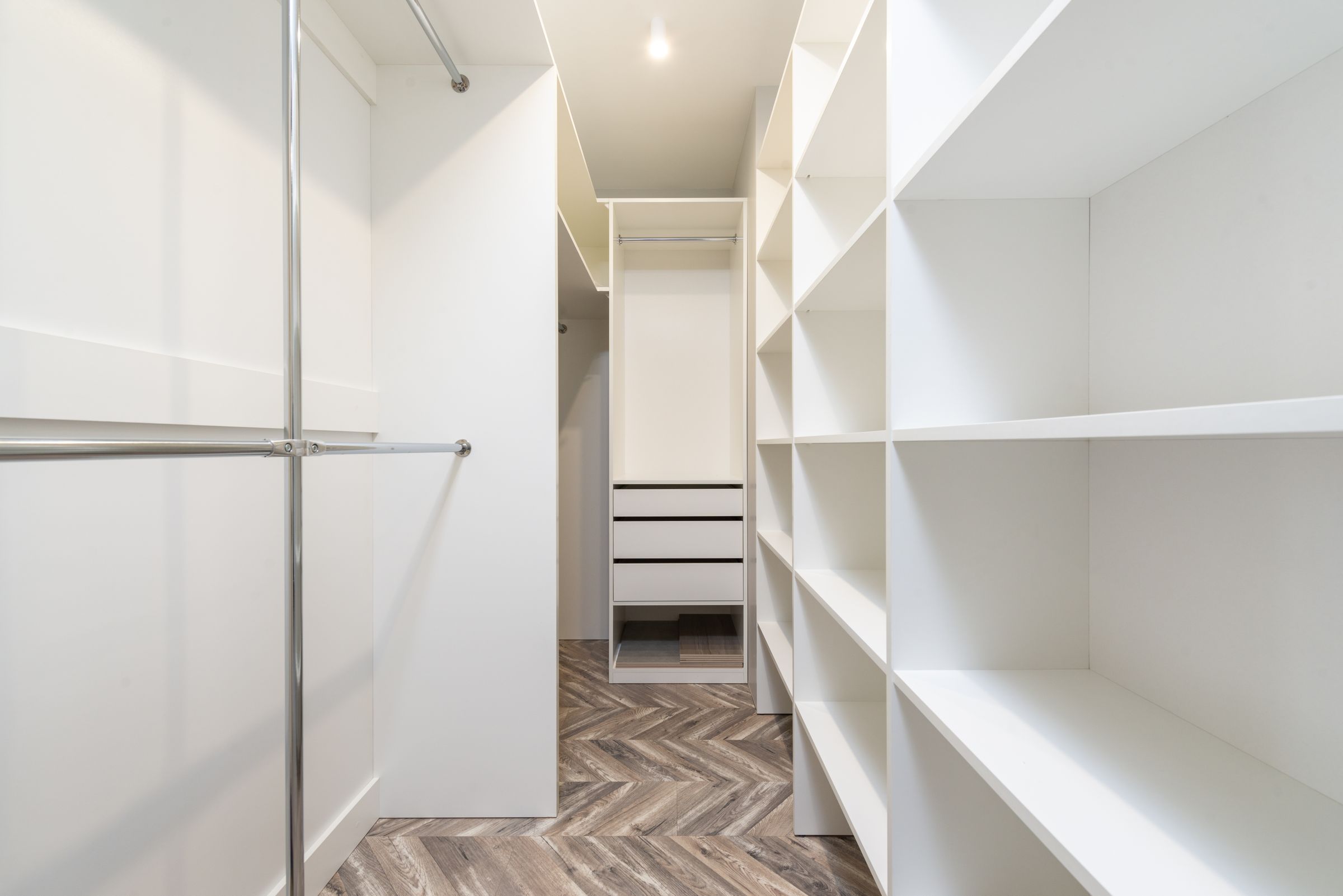
A single rod running the full height of a closet wastes more space than almost any other layout choice, since most clothing, shirts, folded pants on hangers, jackets, only needs half that vertical height to hang clear of the floor. Splitting one tall section into two shorter rods, one stacked above the other, roughly doubles the hanging capacity in the same footprint without adding a single inch of closet.
Reserving the full height rod for the items that actually need it, long dresses, coats, robes, rather than defaulting everything to one uniform height, is what makes a double rod layout work in practice. Measuring your longest hanging item before installing a second rod avoids the common mistake of setting the lower rod a few inches too high and clipping hems.
Best for: anyone whose closet is mostly shirts, folded slacks, and jackets, since that mix is exactly what benefits most from doubling the usable rod space.
2. Shelf Dividers for Stacked Clothes
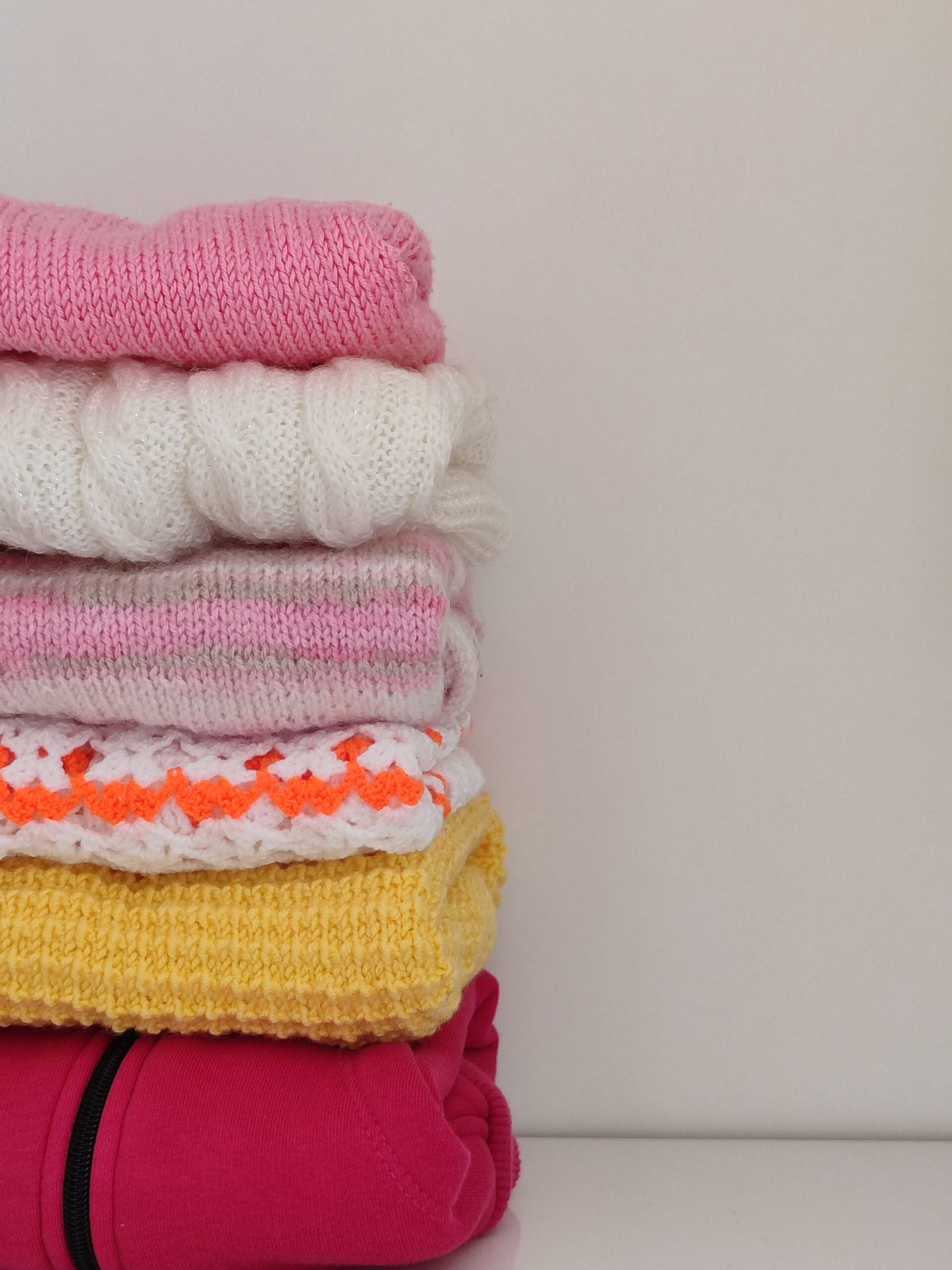
A shelf without dividers turns into one leaning stack within days, since every sweater or folded shirt added to the top shifts the pile below it. Clear or wood shelf dividers that clip onto the shelf edge split one wide shelf into several narrow columns, so each stack stays upright and separate from its neighbors.
Grouping stacks by category, sweaters together, folded t shirts together, rather than mixing types in one column, makes it far easier to see at a glance what is actually running low. Keeping each stack to a height you can comfortably see over, generally six to eight folded items, prevents the classic problem of forgetting what is at the bottom of a tall pile.
Best for: closets with open shelving instead of drawers, since dividers solve the exact problem that shelving alone creates once more than one or two items are stacked together.
3. Shoe Storage That Is Not Just a Pile
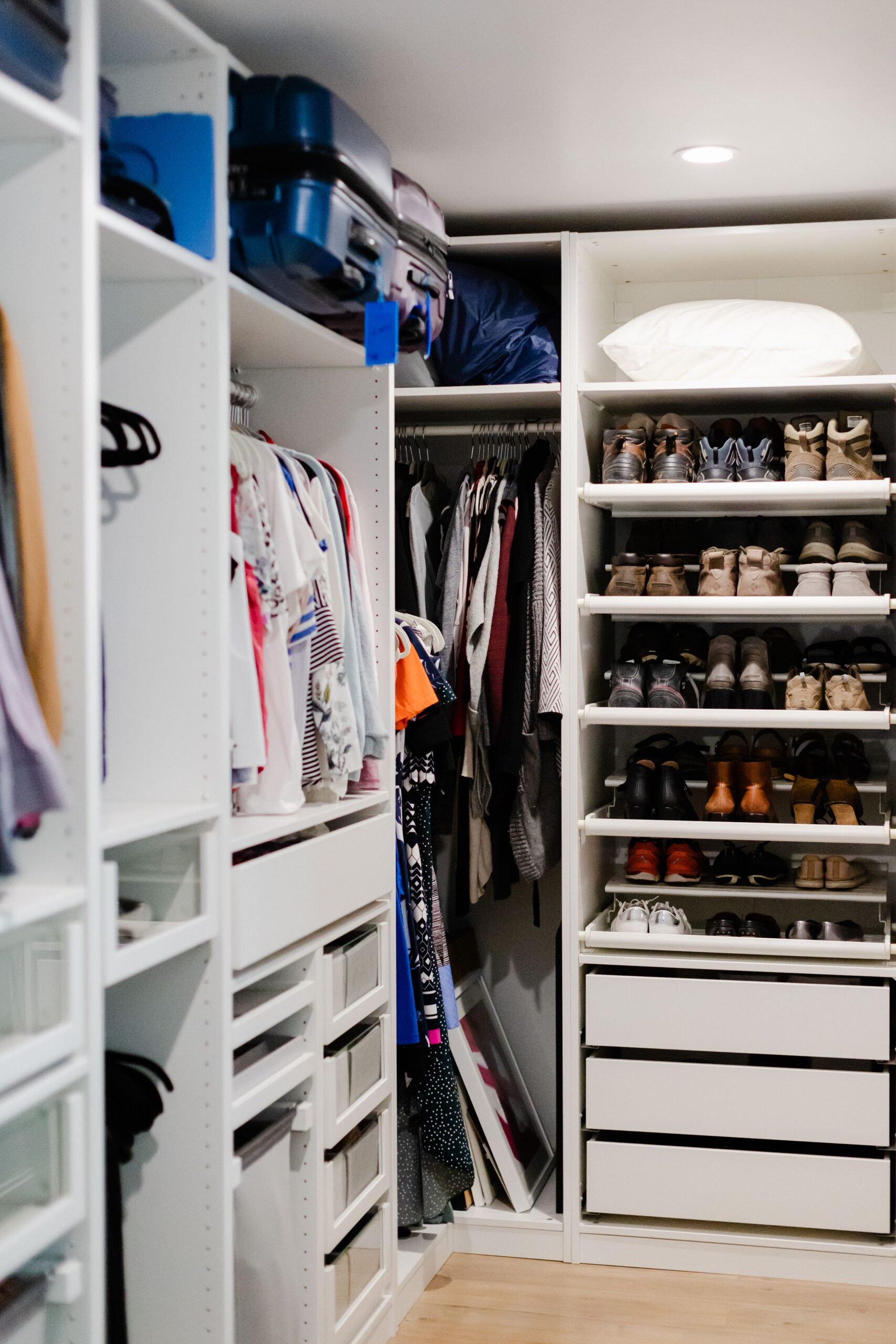
Shoes piled on the closet floor are one of the fastest ways to make an otherwise organized space look cluttered, mostly because floor piles grow sideways and eventually block access to whatever is stored behind them. A slanted shoe shelf or a simple stackable shoe rack keeps pairs visible and upright instead of toppled into a heap.
Storing shoes you wear weekly at eye level or just below it, and moving occasional pairs, formal shoes, off season boots, to a higher or lower shelf, matches the storage to how often you actually reach for each pair. Pairing shoes toe out rather than toe in makes it noticeably faster to grab the right pair without pulling several others onto the floor first.
Best for: anyone with more than six or seven pairs of shoes in active rotation, since that is roughly where a floor pile stops being manageable and starts actively blocking the closet.
4. Drawer Organizers for Small Items
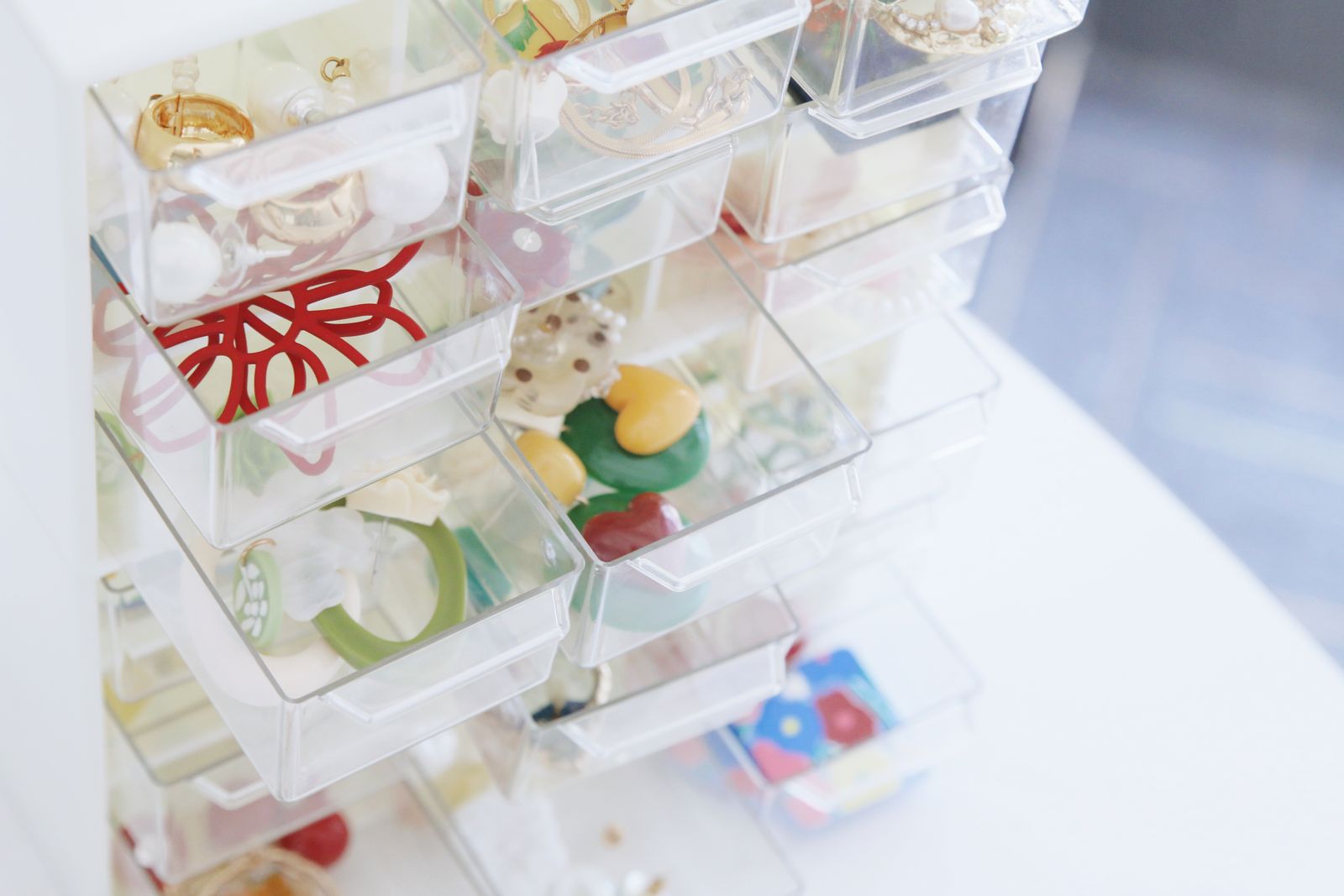
Small items, belts, jewelry, sunglasses, scarves, are the things most likely to end up in one messy catch all drawer, simply because nothing in a plain drawer stops them from sliding into a jumbled pile. A set of shallow tray dividers sized to the drawer turns that same space into defined compartments, each holding one category of small item.
Measuring the drawer’s interior before buying dividers, rather than guessing a size, avoids the common letdown of trays that leave an awkward gap or do not fit at all. Grouping by how you actually get dressed, a tray for daily jewelry near the front, occasion pieces further back, saves real time on busy mornings.
Best for: closets with at least one dedicated drawer, since this idea depends on having a drawer to divide rather than retrofitting open shelving.
5. Behind the Door Storage
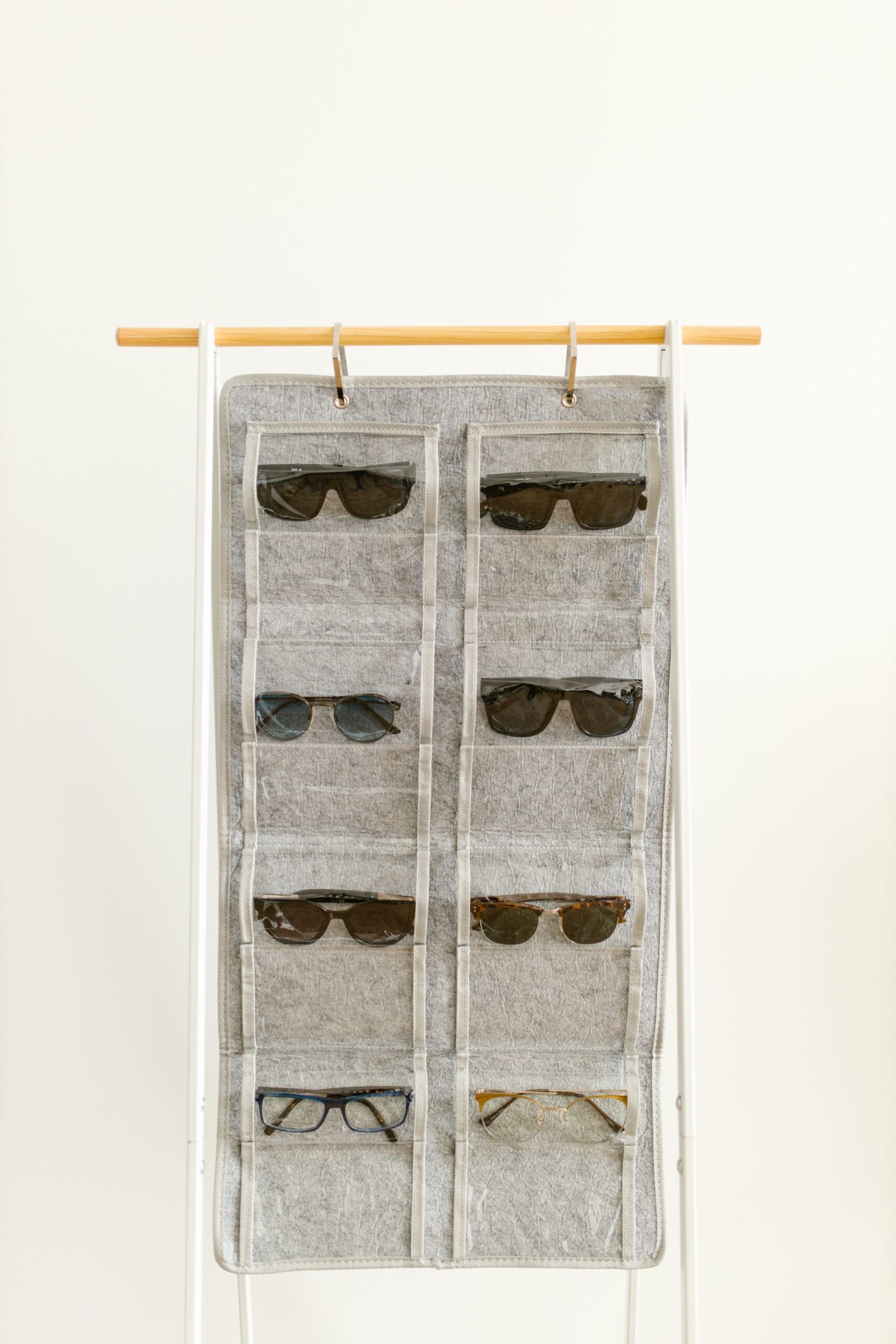
The back of a closet door is genuinely unused space in most homes, and a hanging pocket organizer or an over the door hook rail turns it into real storage without taking up a single inch of the closet’s actual interior. Clear pocket organizers work especially well for anything you want to see at a glance, accessories, folded scarves, smaller bags.
Checking the door’s swing clearance before installing anything bulky is worth the extra minute, since a deep organizer can catch on an adjacent shelf or wall in a tighter closet. Lighter over the door hooks, rather than a fully loaded pocket organizer, are usually the safer choice on hollow core doors, which were not built to carry much extra weight.
Best for: small or reach in closets where every inch of actual shelf and rod space is already spoken for, since this is storage that costs nothing in floor or shelf footprint.
6. A Labeled Bin System for Off Season Items
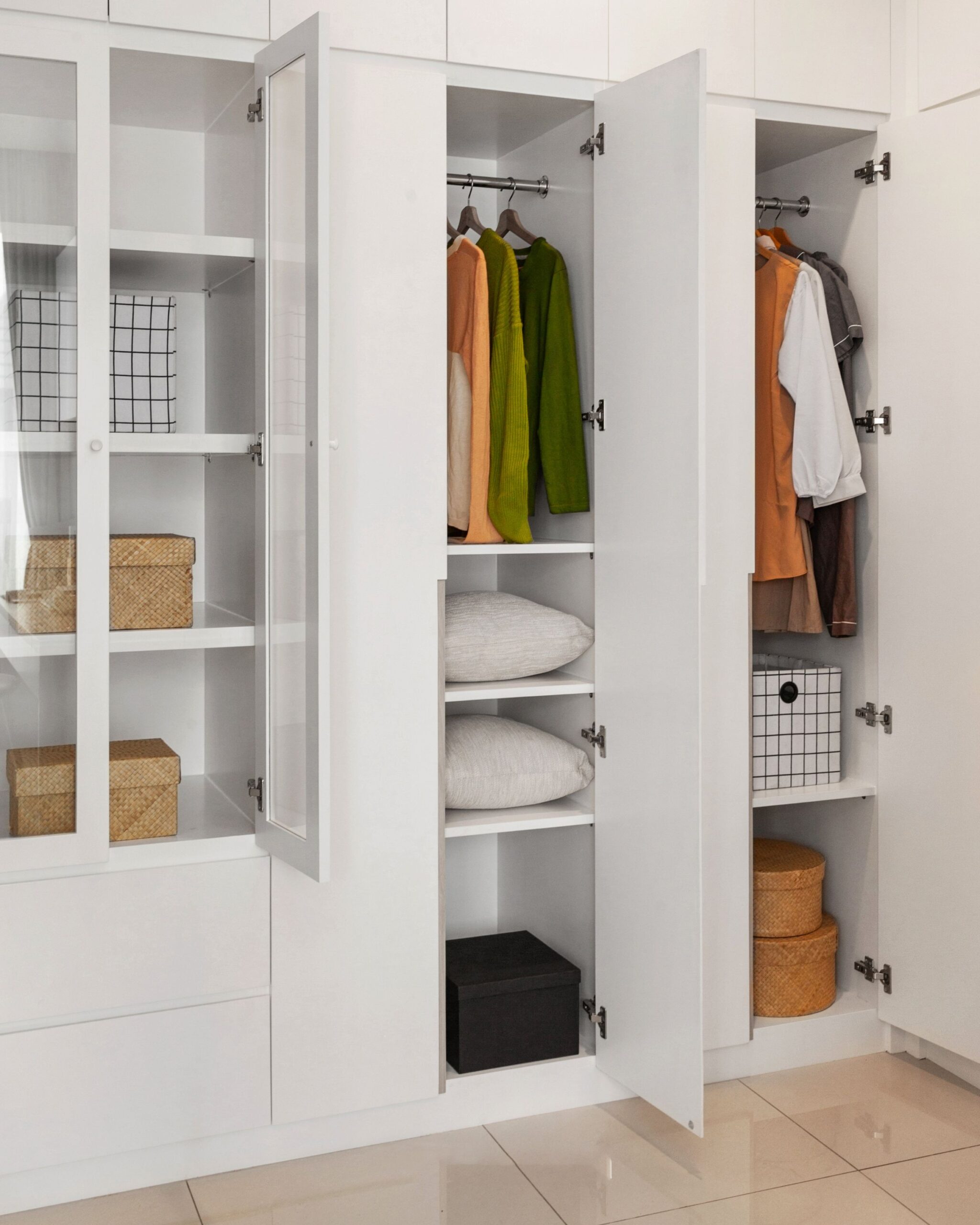
Keeping every season’s clothing accessible all year round is one of the biggest reasons closets feel overcrowded, since heavy winter sweaters and summer linens end up competing for the exact same hanging and shelf space. Moving off season items into labeled bins, stored on a high shelf or in another closet, frees up noticeably more room for what you are actually wearing right now.
Labeling bins by category rather than just “winter” or “summer”, sweaters, swimwear, outerwear, makes it far faster to find one specific item without opening every bin on the shelf. Clear bins remove the need to label at all for anyone who prefers to see contents directly, though opaque bins keep a shelf looking more uniform if that matters more to you.
Best for: anyone living somewhere with a real seasonal wardrobe shift, since this idea solves a problem that barely exists in a climate where the same clothes work most of the year.
7. Open Shelving as a Finishing Touch
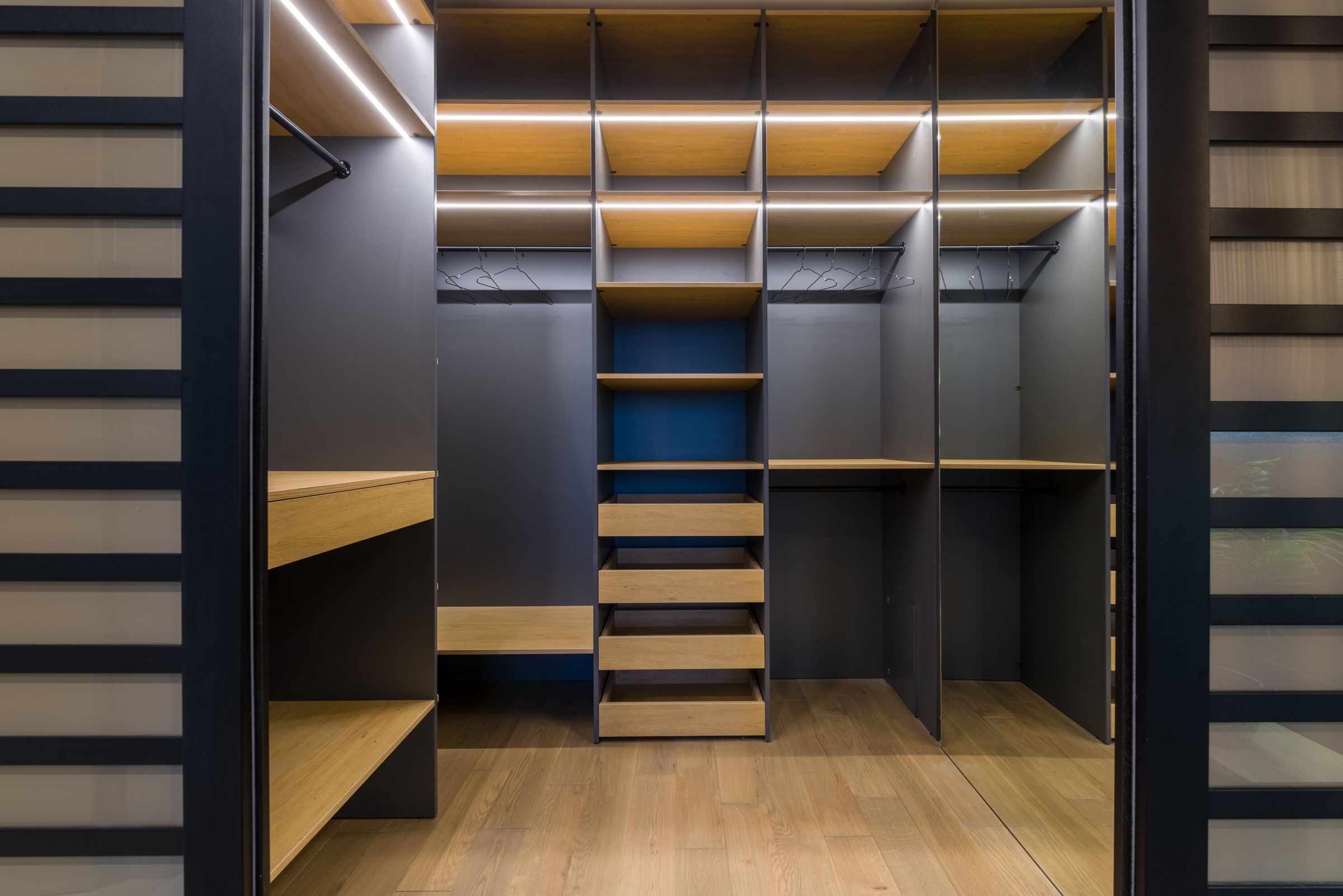
A few open shelves, used for folded sweaters, bags, or a small styled vignette, give a closet a finished, considered look that purely functional storage rarely achieves on its own. This works best as the last step in a reorganization, once the hanging space, drawers, and bins are already handling the heavy lifting.
Keeping open shelves to items that actually look good stacked or displayed, structured bags, folded knitwear, rather than using them as overflow for anything that did not fit elsewhere, is what keeps this idea from sliding back into clutter. Warm toned lighting along the underside of a shelf, even a simple battery powered LED strip, makes a real difference in how finished the whole closet feels.
Best for: closets that already have their functional storage sorted and just need one more pass to feel genuinely finished rather than merely organized.
Choosing a Layout That Fits How You Actually Get Dressed
Someone who wears mostly folded items, t shirts, sweaters, casual pants, benefits more from maximizing drawer and shelf space than hanging rods, while someone with a wardrobe built around dresses, suits, and button downs needs the opposite balance. Watching what you actually reach for over a week before reorganizing, rather than guessing, is the single best way to get this ratio right the first time.
A closet organized around an idealized wardrobe rather than the one you actually own rarely stays organized for long, since real clothes keep ending up wherever is fastest to reach regardless of the system in place. Matching the storage to your real habits, not an aspirational version of them, is what makes any of the seven ideas above actually hold up past the first month.
How Long Closet Organizing Products Actually Last
Wood and metal organizing products, shelf dividers, drawer trays, hanging rods, hold up for years with no real maintenance, which makes them worth the slightly higher upfront cost over plastic alternatives bought to save money. Plastic bins and dividers are more budget friendly but tend to show cracking or yellowing within two to three years of regular use, especially anything kept near a window.
Fabric hanging organizers and pocket systems typically last two to four years before the stitching or pockets start to sag under repeated use, though hand washing rather than machine washing meaningfully extends that lifespan. Labeled bins, whichever material you choose, are worth relabeling once a year as your off season wardrobe changes, rather than trusting a label written years earlier.
Frequently Asked Questions
Do I need to replace my closet system to use these ideas?
No, every idea on this list adds onto an existing closet rather than requiring a full system replacement. Shelf dividers, drawer trays, hanging organizers, and bins are all designed to work inside whatever rods and shelves are already installed.
What is the single best place to start?
The hanging space adjustment, splitting one tall rod into two shorter ones, usually has the biggest single impact on usable capacity, which makes it a strong first project if you can only tackle one idea right now. Everything else on this list builds on having enough hanging space to begin with.
How do I keep a reorganized closet from going back to chaos?
Matching the storage to your real habits rather than an idealized version of your wardrobe, and doing a quick five minute reset at the end of each week, are the two changes that make the biggest long term difference. A system built around how you actually get dressed needs far less maintenance than one built around how you wish you got dressed.
Are over the door organizers safe on every closet door?
Lightweight hook rails work on almost any door, but a fully loaded fabric pocket organizer is worth avoiding on hollow core doors specifically, since they were not built to carry much extra weight long term. Solid wood doors can generally handle a heavier organizer without issue.
How many pairs of shoes justify a dedicated shoe shelf?
Once you are regularly reaching for more than six or seven pairs, a slanted shelf or stackable rack starts saving real time over a floor pile, since piles beyond that point usually require moving several pairs just to reach the one you want. Below that number, a simple shoe rack or even a shallow basket is often enough.
Is it worth buying matching bins and dividers, or can I mix what I already own?
Matching bins make a shelf look more finished, but mismatched containers work exactly as well functionally, so this really comes down to whether a uniform look matters to you specifically. If budget is the main concern, spend on the functional pieces, dividers and trays, before worrying about whether every bin matches.
When is the best time of year to reorganize a closet?
The start of a seasonal wardrobe swap, moving winter items out and spring items in or the reverse, is a natural prompt, since you are already handling most of your clothing at that point anyway. Starting then also makes it easy to donate anything you realize you no longer wear during the swap.
A closet that actually stays organized comes down to matching real, specific storage to how you actually get dressed, not to buying every organizing product available. Start with the hanging space and shoe storage if you are reorganizing for the first time, since those two ideas handle the bulk of daily use, then layer in drawer dividers, door storage, and labeled bins once the basics are solid.
For more ways to organize the rest of your home, see our guides to mudroom organization ideas that actually make sense, pantry organization ideas that actually stay organized, and laundry room organization ideas that actually make sense.